- The Writing Chronicles
- Posts
- Something I’ve noticed about trust
Something I’ve noticed about trust

Kevin Szabo
February 06, 2026
In partnership with

I’ve noticed something over time.
People don’t really trust what you say you do.
They trust what you keep doing.
Not once.
Not when it’s convenient.
But when it’s boring.
When no one is watching closely.
When there’s nothing to gain from being impressive.
Trust forms slowly.
Usually without a clear moment where it starts.
It builds while people are paying partial attention.
They notice patterns.
They notice whether you show up the same way more than once.
They notice if your tone stays steady.
Or if it changes depending on who is listening.
Here’s how I use Attio to run my day.
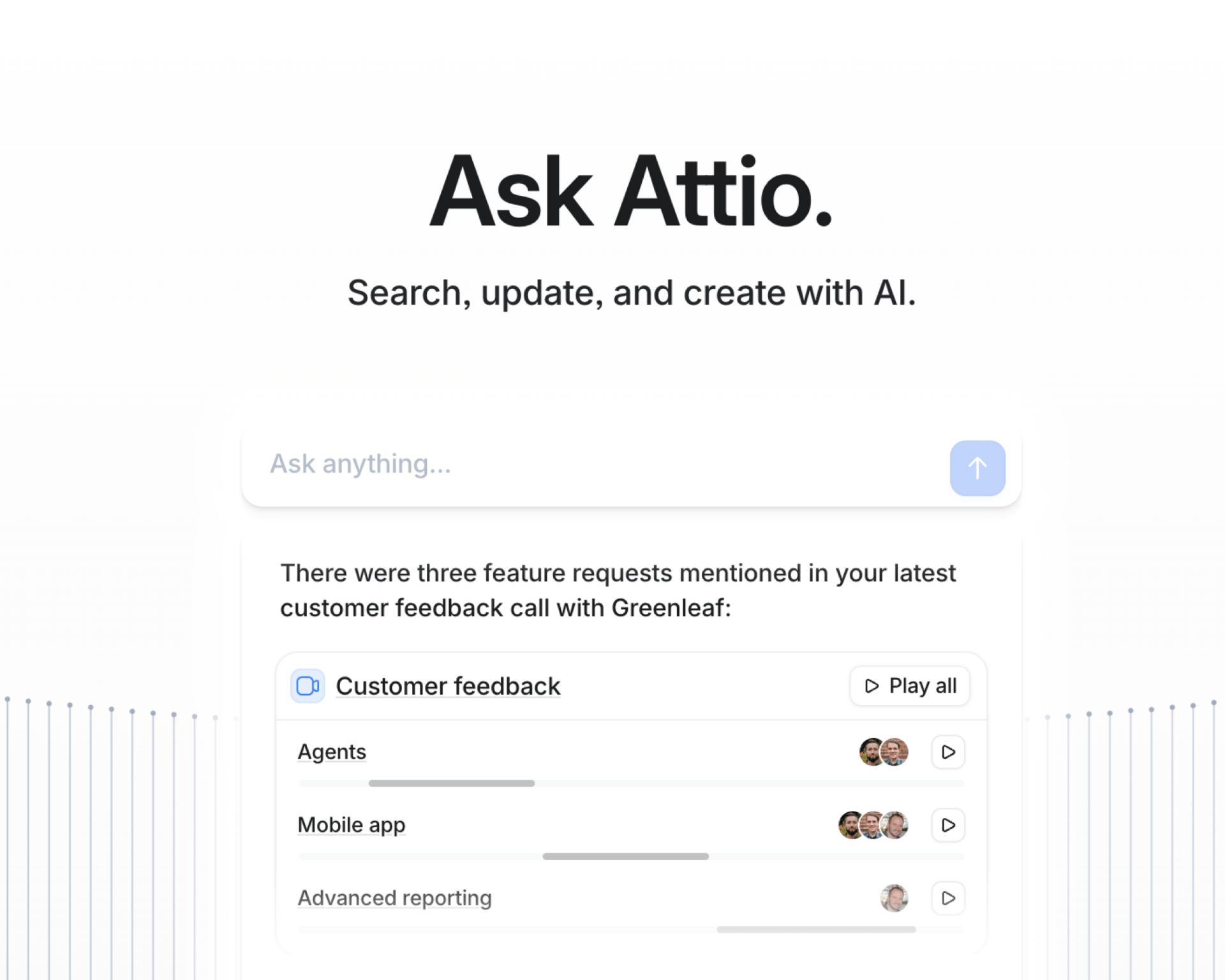
Attio is the AI CRM with conversational AI built directly into your workspace. Every morning, Ask Attio handles my prep:
Surfaces insights from calls and conversations across my entire CRM
Update records and create tasks without manual entry
Answers questions about deals, accounts, and customer signals that used to take hours to find
All in seconds. No searching, no switching tabs, no manual updates.
Ready to scale faster?
Most people never announce that they’re evaluating you.
They just quietly take notes.
They notice whether things work the way they expect.
They notice if the experience feels smooth.
Or if it feels like effort is being redirected toward persuasion.
You don’t earn trust by explaining yourself.
You earn it by reducing uncertainty.
By making things predictable in a good way.
By letting people know what it feels like to interact with you.
Over and over again.
This is why consistency matters more than messaging.
Messaging can sound right.
Consistency has to be felt.
Anyone can describe how they work.
Very few people demonstrate it without calling attention to it.
When something feels solid.
People relax.
They stop scanning for risk.
They stop wondering what the catch is.
That calm feeling is what pulls people in.
Some call it a wow factor.
But it rarely feels exciting.
It feels reassuring.
It feels like things are handled.
Like nothing needs to be questioned.
Like the experience matches the expectation.
That kind of response doesn’t create noise.
It creates trust.
AI in HR? It’s happening now.

Deel's free 2026 trends report cuts through all the hype and lays out what HR teams can really expect in 2026. You’ll learn about the shifts happening now, the skill gaps you can't ignore, and resilience strategies that aren't just buzzwords. Plus you’ll get a practical toolkit that helps you implement it all without another costly and time-consuming transformation project.
People don’t always react to it right away.
They might not respond.
They might not engage.
They might not say anything at all.
But they remember it.
They remember how interacting with you felt.
They remember whether it felt easy.
Whether it felt steady.
Whether it felt consistent.
Over time, those memories add up.
People come back without being prompted.
They mention you without needing language.
They choose you without needing reminders.
This is how trust compounds.
Quietly.
Without announcements.
Without urgency.
Without pressure.
The more you rely on behavior instead of explanation.
The less you need to convince anyone of anything.
Your work becomes the reference point.
Your actions become the proof.
With KeepCart or Without It — See the Margin Difference

Every checkout leak costs you. KeepCart shows exactly how coupon extensions quietly shrink your revenue — and how blocking them can recover hundreds per order. Your profit margin deserves a before-and-after moment.
Top brands like Bucketlisters and Quince have already seen the difference.
Your presence starts to carry weight without volume.
This is why the most trusted people often feel calm.
They are not trying to be noticed.
They are not trying to create reactions.
They are focused on being reliable.
On doing the same things well.
In the same way.
For a long time.
And that is usually what people trust most.
Not what you say you do.
But what you keep doing.