- The Writing Chronicles
- Posts
- Why Consistency Feels Hard When You’re Actually Thinking Long Term
Why Consistency Feels Hard When You’re Actually Thinking Long Term

Kevin Szabo
February 10, 2026
In partnership with

Most people think consistency fails because of discipline.
Not enough motivation.
Nor enough willpower.
That is rarely the real problem.
Consistency breaks long before effort runs out.
It breaks when your thinking is ahead of your timeline.
Long term thinkers struggle with consistency because they are not trying to repeat.
They are trying to compound.
Daily advice assumes the goal is visibility.
But long term thinking is about accumulation.
You are not asking how often should I post.
You are asking what does this build over time.
That question slows you down.
Not because you are lazy.
But because random output feels expensive when you see the bigger picture.
AD BREAK:
Global HR shouldn't require five tools per country

Your company going global shouldn’t mean endless headaches. Deel’s free guide shows you how to unify payroll, onboarding, and compliance across every country you operate in. No more juggling separate systems for the US, Europe, and APAC. No more Slack messages filling gaps. Just one consolidated approach that scales.
Speak fuller prompts. Get better answers.
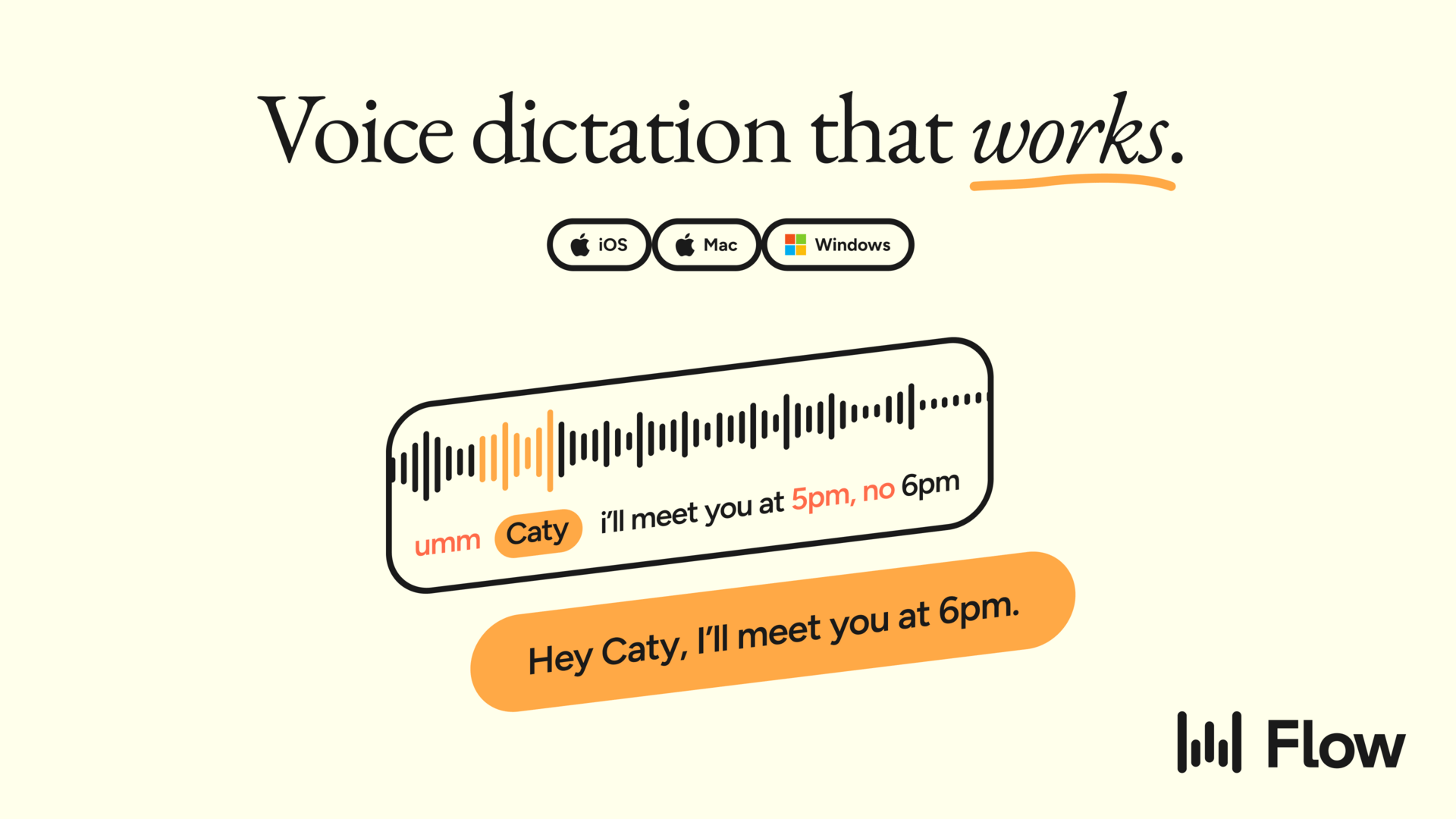
Stop losing nuance when you type prompts. Wispr Flow captures your spoken reasoning, removes filler, and formats it into a clear prompt that keeps examples, constraints, and tone intact. Drop that prompt into your AI tool and get fewer follow-up prompts and cleaner results. Works across your apps on Mac, Windows, and iPhone. Try Wispr Flow for AI to upgrade your inputs and save time.
Short term consistency is about streaks.
Post today.
Then post tomorrow.
Don’t break the momentum.
Long term consistency is about direction.
Ask these 3 questions:
Does this fit the system?
Does this sharpen the message?
Does this reduce future effort?
When those answers are unclear, publishing feels wrong.
So you pause.
From the outside, it looks like inconsistency.
From the inside, it feels like restraint.
This is where most people misdiagnose themselves.
They try to force volume instead of fixing alignment.
None of that solves the real issue.
The issue is that repetition without stacking feels pointless to someone thinking long term.
You do not want to say the same thing louder.
You want to say it cleaner.
You want each piece to clarify the last one.
It treats content like output instead of infrastructure.
Infrastructure only works when it connects.
Disconnected posts feel like noise.
So consistency becomes friction.
Another reason consistency feels hard is measurement.
Short term metrics reward frequency.
Long term outcomes reward coherence.
Those two are rarely aligned at the beginning.
You can be consistent for months and still feel invisible.
That gap makes effort feel unrewarded.
And unrewarded effort does not last.
The fix is not to post more.
It is to redefine consistency.
Want to get the most out of ChatGPT?

ChatGPT is a superpower if you know how to use it correctly.
Discover how HubSpot's guide to AI can elevate both your productivity and creativity to get more things done.
Learn to automate tasks, enhance decision-making, and foster innovation with the power of AI.
Consistency is not volume.
(Although important).
It is staying inside a clear lane long enough for people to recognize it.
It is repeating the same core idea from different angles.
It is letting your thinking mature publicly instead of rushing conclusions.
When consistency is defined this way, it gets easier.
You stop asking did I post today.
You start asking did this belong.
Belonging creates momentum.
Momentum creates trust.
Trust creates patience.
People who last are not the loudest early.
They are the most coherent.
Their work starts to feel familiar.
Not repetitive.
Familiar.
Readers know what they are going to get before they click.
That is consistency working.
If consistency feels hard right now, it may be because you are playing a longer game than your environment supports.
That is not a flaw.
It just means your consistency needs a different definition.
Once you define it on your terms, showing up stops feeling forced.
And starts feeling inevitable.